

Key Takeaways
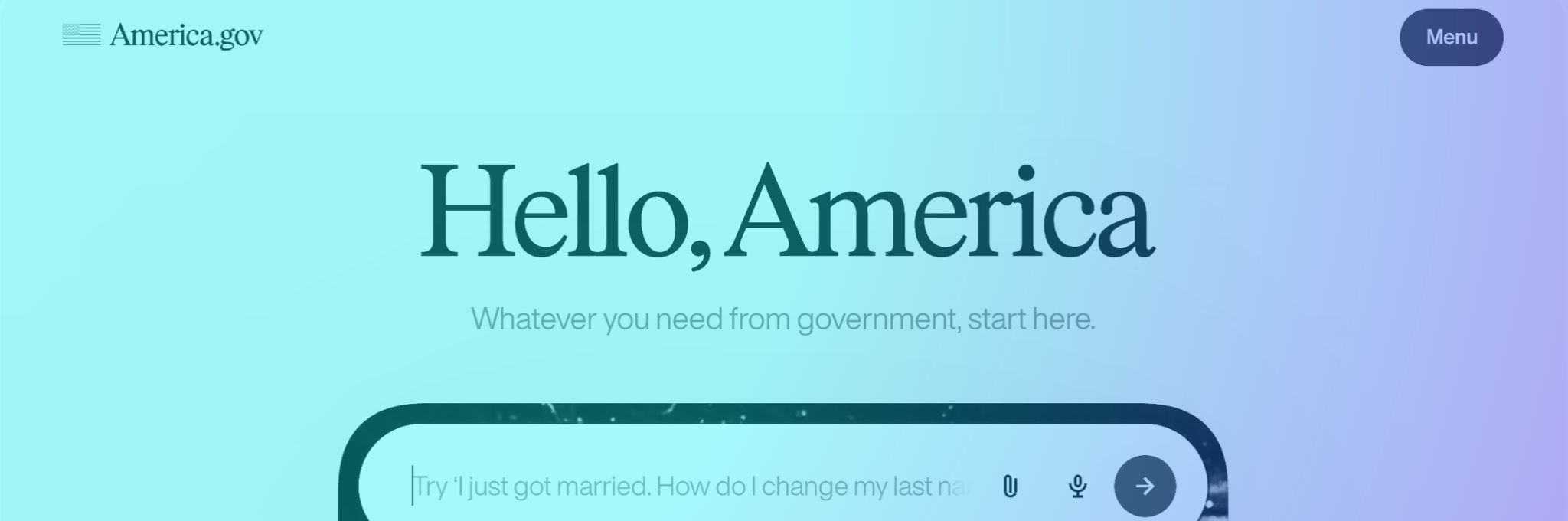
- Executive Order 14432 establishes America.gov as a unified digital front door to simplify access to federal information and services.
- Trusted digital identity will be central to implementation, with the order directing integration with Login.gov and emphasizing secure authentication, auditable authorization and privacy.
- Interoperability, cybersecurity and AI governance will help agencies connect existing systems and deliver secure, reliable digital experiences.
- Makpar’s expertise in ICAM, Zero Trust, systems integration and enterprise modernization aligns with the technical and operational challenges agencies will need to address.
The federal government is taking a significant step toward simplifying how Americans access government services.
On September 29, 2026, President Trump signed Executive Order 14432, Streamlining Access to Government Services Through America.gov, directing the creation of a unified digital entry point where individuals can find information, communicate in plain language and, where authorized, complete transactions without navigating multiple agency websites.
The order addresses a longstanding challenge in federal service delivery. Americans often interact with separate agency systems, provide the same information multiple times and repeatedly verify their identities. America.gov aims to simplify those interactions while preserving agency control over existing systems and records.
For federal IT leaders, implementing this vision will involve coordinating digital identity, cybersecurity, interoperability, AI governance and enterprise operations, all areas closely aligned with Makpar’s federal modernization expertise.
Why Digital Identity Is Central to America.gov
One of the order’s most significant provisions directs the General Services Administration (GSA) to integrate Login.gov with America.gov as its authentication service. It also emphasizes data minimization, secure authentication and auditable authorization to protect personal information.
Modern Identity, Credential, and Access Management (ICAM) can help agencies meet these expectations by bringing together identity assurance, authentication, authorization, federation and monitoring. These capabilities support secure access across applications and services while reducing unnecessary friction for users.
Makpar views trusted identity as mission infrastructure because it supports the security, reliability and accessibility of the digital services built around it. Our experience modernizing IRS enterprise authentication and authorization capabilities, which support secure services for tens of millions of taxpayers, demonstrates the importance of operating identity infrastructure reliably at scale.
Connecting Federal Services Through Interoperability
The order directs agencies to identify covered services and connect them to America.gov in a secure, privacy-preserving manner, including through existing public APIs, dashboards and digital forms. Agencies will retain control of their records and systems rather than transferring them into a centralized federal system of records.
Connecting these services will involve integrating diverse technology environments, including legacy applications, cloud platforms, identity systems and mission-specific services. Agencies will need to address differences in architecture, data formats, access controls and operational processes while maintaining continuity of service.
Makpar’s systems integration and modernization experience can help agencies connect existing investments, strengthen identity capabilities and improve operations across complex federal environments.
Strengthening Cybersecurity and Zero Trust
As more federal services become accessible through a common digital entry point, agencies will need consistent security controls across the underlying applications and information being accessed.
Modern ICAM and Zero Trust principles can support this environment through continuous evaluation of identity and risk. Contextual signals such as device characteristics, authentication activity, access privileges and user behavior can help agencies identify suspicious activity, inform access decisions and strengthen fraud prevention.
These capabilities align with the order’s emphasis on secure authentication, auditable authorization and protection of personal information.
Building Trustworthy AI Into Digital Government
America.gov is envisioned as an intelligent, conversational platform that allows individuals to communicate in plain language and receive accurate answers. The order specifically emphasizes accuracy, reliability and transparency for AI used in connection with the platform.
Agencies implementing these capabilities will need to protect sensitive information, establish appropriate access controls, monitor performance and maintain accountability for AI-generated responses.
Makpar’s work across AI, cybersecurity and digital identity reflects how these technologies increasingly intersect as agencies introduce more intelligent government services.
Preparing for Enterprise Scale and Operational Resilience
The order generally covers public-facing federal services serving more than 100,000 users annually that can be accessed or applied for online, subject to specified exclusions. It also directs agencies to provide usage and performance data while preserving existing service channels, including telephone, mail and in-person assistance.
As participating services become more connected, agencies will need to manage availability, performance, monitoring, incident response and changing demand across their technology environments.
Makpar’s experience supporting enterprise identity infrastructure at the IRS reinforces the importance of engineering for peak demand, maintaining operational visibility and managing change without disrupting critical services.
Moving Toward More Connected Government Services
Executive Order 14432 establishes an ambitious direction for federal digital service delivery, with the Office of Management and Budget directed to issue implementation guidance within 90 days.
Agencies will need to coordinate technology, security, identity and operational responsibilities across systems that were often developed independently. Trusted identity, interoperability, cybersecurity and intelligent automation can help them create more connected digital experiences while maintaining the security and reliability that federal services demand.
Makpar helps federal agencies modernize identity infrastructure, strengthen cybersecurity and integrate technologies that support secure, resilient digital services. Contact Makpar to learn how our ICAM, Zero Trust, AI and systems integration expertise can support your agency’s modernization goals.